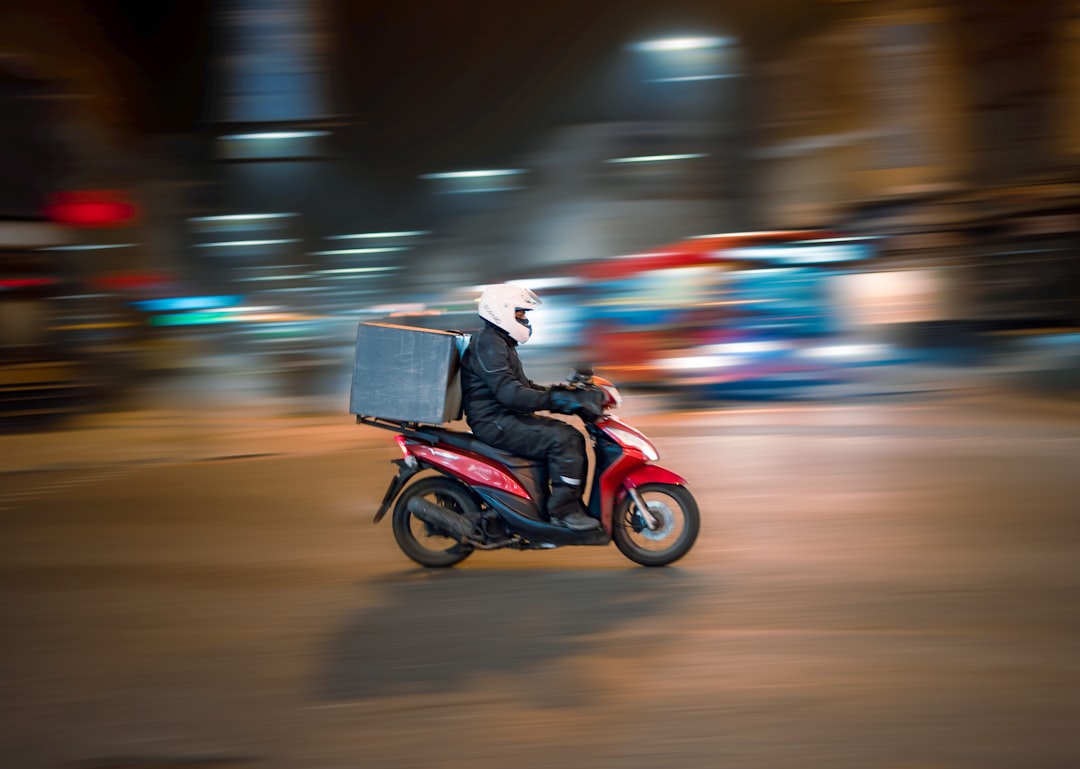
A reliable scooter is easier to live with in city traffic when maintenance is planned around both mileage and time. This scooter maintenance schedule explains what to check at home, what belongs in a workshop, how to estimate service costs without relying on fixed prices, and which warning signs should end a ride. Use it as a repeatable checklist, then confirm exact intervals, fluid specifications, and inspection procedures in your scooter’s owner’s manual.
Overview
Urban riding can be demanding even when daily distances are short. Frequent stops, low-speed operation, traffic heat, rain, dust, uneven roads, and repeated cold starts can all affect consumable parts. A scooter that covers few miles may still need attention because rubber, fluids, belts, batteries, and lubricants age with time.
The safest maintenance schedule uses three triggers:
- Time: monthly checks and calendar-based servicing.
- Mileage: inspections and replacements linked to distance ridden.
- Condition: immediate attention when a part is worn, damaged, leaking, noisy, or behaving differently.
Manufacturer schedules take priority over any general guide. Some scooters use a liquid-cooled engine, others are air-cooled; some have drum brakes, others use discs; electric scooters have different motor, battery, and charging-system checks. Treat the schedule below as a planning framework, not a substitute for the manual.
General scooter maintenance schedule
| Item | When to check or service | What to look for |
|---|---|---|
| Engine oil | Check at the interval in the manual; inspect level regularly | Correct level, leaks, unusual darkening, or metal particles when drained |
| Tires | Check before regular riding; inspect more closely before long trips | Correct pressure, tread condition, cracks, punctures, and uneven wear |
| Brakes | Check monthly and at every scheduled service | Firm lever feel, usable pad or shoe material, even operation, and no leaks |
| Drive belt and transmission | Inspect at the manufacturer’s mileage interval | Wear, cracking, glazing, abnormal noise, and debris in the transmission case |
| Air filter | Inspect according to the manual and more often in dusty conditions | Dirt, blockage, moisture, or damage to the filter housing |
| Battery | Check monthly if the scooter is stored or used infrequently | Secure terminals, corrosion, swelling, and slow cranking |
| Coolant | Check level when the engine is cold; replace by the specified interval | Correct level, stains, damaged hoses, and signs of overheating |
| Suspension and steering | Check monthly and whenever handling changes | Leaks, excessive play, bent components, or a harsh and unsettled ride |
How to estimate maintenance needs
Start by recording the scooter’s current odometer reading, purchase date, last service date, and work completed. If the service history is incomplete, do not assume that an item was replaced. Mark it as “unknown” and ask a qualified technician to inspect it.
For mileage-based planning, estimate your monthly distance:
Monthly mileage = average one-way distance × number of riding days × 2
Add occasional errands and weekend trips rather than relying only on the commute. Then compare the result with the service intervals in the manual. For example, a rider who travels a short distance every weekday may reach a belt, oil, or inspection milestone sooner than expected when extra city trips are included.
For cost planning, separate maintenance into three groups:
- Routine consumables: oil, filters, brake components, tires, and other items replaced through normal wear.
- Scheduled work: inspections or replacements listed at specific time or mileage intervals.
- Unplanned repairs: punctures, battery failure, leaks, electrical faults, or damage from a fall or poor road surface.
Request an itemized estimate that identifies parts, labor, taxes or fees where applicable, and any recommended work that is not urgent. This makes it easier to compare a dealer quote with an independent workshop while preserving safety-critical repairs.
Inputs and assumptions
A useful scooter maintenance checklist needs more than the odometer. Record these inputs:
- Scooter make, model, engine or motor type, and model year.
- Current mileage and average monthly mileage.
- Last oil change, inspection, tire replacement, and brake service.
- Whether the scooter is used in heavy traffic, dusty areas, frequent rain, steep streets, or for delivery work.
- Storage conditions, including whether it is parked outdoors and how often it sits unused.
- Any warning lights, starting problems, vibration, pulling, squealing, or fluid marks.
Assume that severe use can justify more frequent checks, but do not shorten an interval blindly. Ask the manufacturer or a qualified technician which conditions count as severe service for your model. Use only the specified oil grade, coolant type, brake fluid, tire pressure, and replacement parts. A general-purpose substitute may be unsuitable.
At home, work only on checks that you can perform safely. Tire pressure, visible damage, lights, horn, fluid level, and obvious leaks are reasonable routine checks when the scooter is parked securely and the engine is cool. Brake repairs, belt replacement, electrical diagnosis, tire fitting, suspension work, and any procedure requiring special tools are usually better handled by a trained technician.
Worked examples
Example 1: Short daily commuter
Suppose a rider uses a scooter for a short weekday commute and occasional errands. The rider should calculate total monthly distance, check tires and lights regularly, and keep a calendar reminder for time-based inspections. Low mileage does not eliminate the need to check the battery, tire age and condition, brake operation, and fluid levels. Before a longer trip, the rider should inspect tire pressure, tread, brakes, lights, drive-related noises, and luggage mounting points.
Example 2: High-mileage urban use
A delivery or high-mileage rider should log mileage more carefully because wear items may reach their service thresholds quickly. The maintenance budget should include a reserve for tires, brake components, drive-system inspection, and more frequent cleaning of exposed areas. Dust, rain, repeated stops, and heavy loads can make condition checks especially important. A scooter used this way should not be judged only by whether it starts each morning; braking, handling, belt condition, and tire grip matter just as much.
Example 3: Scooter with an uncertain history
For a used scooter with missing records, begin with a baseline inspection. Check for leaks, tire condition, brake wear, steering play, suspension leakage, battery performance, filter condition, and drive-system noise. Ask the workshop to document what was inspected and what should be revisited. For a broader inspection before purchase, use this used scooter buying checklist. It is better to establish a known starting point than to build a schedule around assumptions.
When to recalculate
Revisit the schedule whenever your usage changes, the scooter reaches a mileage milestone, or a new symptom appears. Recalculate after switching from occasional riding to daily commuting, beginning delivery work, carrying heavier loads, riding through a rainy season, or storing the scooter for an extended period.
Stop and seek professional help before continuing if the scooter has weak or inconsistent brakes, a tire with a bulge or serious damage, fuel or coolant leakage, severe steering play, sudden loss of power, repeated overheating, smoke, or a new grinding noise. Do not remove a hot radiator cap or work beneath an inadequately supported scooter.
Once a month, update a simple log with the date, odometer, checks completed, parts replaced, and next due item. Review manufacturer manuals and service guidance when a revised manual or model update becomes available. Also refresh your budget when local labor rates, parts availability, or consumable prices change. This turns scooter maintenance tips into a living plan rather than a one-time task, helping you prepare before the next commute instead of reacting after a breakdown.