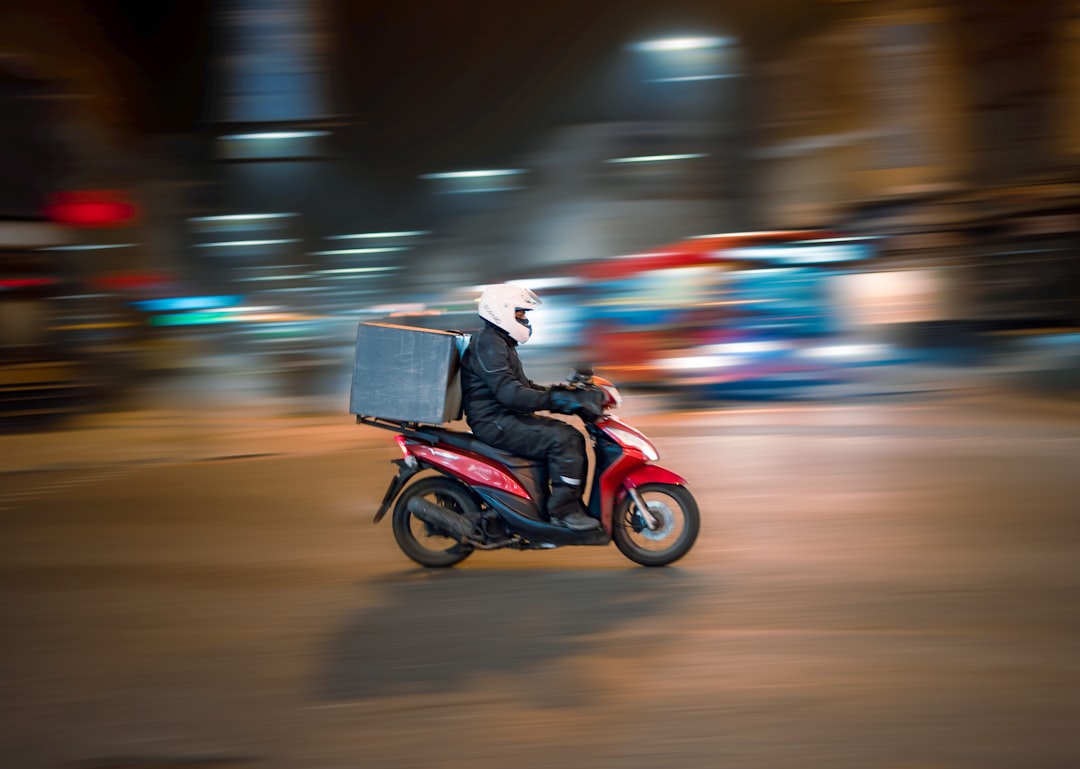
Buying a used scooter is easier when you replace a quick visual impression with a repeatable inspection. This used scooter buying checklist shows how to examine the engine, frame, controls, electrical system, documents, and test-ride behavior, then turn any defects into a realistic ownership-cost estimate before you negotiate.
Overview
A clean body panel and a low odometer reading do not, by themselves, prove that a second-hand scooter is a good buy. Wear may be hidden underneath plastic panels, while missing service records or unclear ownership can create problems after the sale. The goal of a used scooter inspection is not to find a flawless machine; it is to identify safety issues, likely near-term repairs, and information that needs verification.
Use this workflow for every scooter you view:
- Ask the seller for basic details before travelling, including the model, approximate mileage, ownership history, service records, and reason for sale.
- Arrange to see the scooter with the engine cold. Ask the seller not to start it before you arrive.
- Inspect the engine, frame, suspension, wheels, brakes, controls, and electrical equipment.
- Check the vehicle identification details and ownership documents against the scooter.
- Complete a controlled test ride only when the scooter is legally permitted, insured as required, and safe to ride.
- Price the scooter using both its asking price and the repairs or maintenance it may need.
For context on ownership records and local requirements, review Scooter Registration and License Rules by State. Requirements vary by location, so confirm current rules with the relevant local authority before completing a purchase.
How to estimate the real cost of a used scooter
The most useful calculation is not simply “asking price minus negotiated discount.” Estimate the amount you will need to spend to make the scooter safe and dependable for your intended use.
Estimated first-year cost = purchase price + immediate repairs + overdue maintenance + transfer and insurance costs + protective equipment or accessories
Keep optional upgrades separate from essential work. A new phone mount may improve convenience, but worn tires, weak brakes, or a leaking fork should be treated as priority items. If the seller cannot provide a firm repair quote, record a reasonable range rather than pretending the cost is known.
Use a simple inspection worksheet with four columns:
- Item: for example, front tire, battery, brake lever, or registration document.
- Condition: good, monitor, repair soon, or do not proceed until verified.
- Estimated cost: enter a local parts-and-labour estimate or mark the item for a mechanic’s inspection.
- Negotiation note: explain whether the issue supports a lower offer, a seller repair, or walking away.
This method also makes comparisons fair. A cheaper scooter needing tires, a battery, and a major service may cost more than a slightly more expensive example with documented maintenance. If you are comparing brands, parts availability and service support can matter as much as the initial price; our guide to scooter reliability and parts support can help frame that comparison.
Inputs and assumptions for the inspection
Engine and cold start
Start with the engine cold. Confirm that the motor starts without excessive cranking, unusual mechanical noise, or a cloud of persistent smoke. Listen for changes in sound as it idles and watch whether the idle remains reasonably stable. Look for oil, fuel, or coolant—where applicable—around the engine, hoses, drain points, and under the scooter. A small stain deserves an explanation; an active leak deserves professional assessment before purchase.
Ask when the oil, filters, drive belt, spark plug, and other scheduled items were last replaced. Do not assume that a claimed service was completed without a receipt, service-book entry, or other credible record.
Frame, steering, suspension, and wheels
Inspect the frame and visible mounting points for bends, cracks, fresh paint, uneven gaps, or signs that panels and fasteners have been replaced after a crash. Compare the alignment of the front wheel, handlebar, and bodywork. Scratches alone do not establish the severity of an accident, but inconsistent alignment or poorly finished repairs warrant caution.
Turn the handlebar from lock to lock. It should move smoothly without a tight spot, notch, or grinding sensation. Compress the front suspension carefully and check for oil on the fork tubes. Push down on the rear suspension and look for excessive bouncing or leakage. Inspect both tires for adequate tread, cracking, uneven wear, and an age or condition that suggests replacement. For a deeper tire review, see How Often Should You Replace Scooter Tires?
Brakes, controls, and electrical equipment
Check brake-lever feel, pad or shoe condition where visible, disc condition, and fluid level where applicable. A lever that feels spongy, travels unusually far, or requires repeated pumping should not be dismissed. Test the throttle for smooth return, and check that the steering, horn, indicators, headlight, brake light, instrument display, starter, and switches work correctly.
Inspect the battery area for corrosion or improvised wiring. Confirm that warning lights behave normally during startup and do not remain illuminated without explanation. Test the storage compartment, seat latch, fuel cap, and key operation. These smaller faults can be useful negotiation points, but safety-related defects should be repaired before regular riding.
Documents and history
Match the vehicle identification number and registration details to the scooter and the seller’s documents. Check whether the seller is the recorded owner and whether any required transfer paperwork, inspection certificate, tax record, or insurance documentation is current for your location. Ask whether there is outstanding finance, a salvage or total-loss history, unpaid fees, or a missing key.
Never rely only on a photograph or an informal promise that documents will be supplied later. If ownership, identification, or transfer status cannot be verified, pause the transaction until the issue is resolved.
Worked examples
Example one: the apparently cheap commuter. Imagine a scooter with an attractive asking price but no recent service documentation. During inspection, the tires show cracking, the battery is weak, and the front brake lever feels soft. Record each item separately instead of applying one vague “repair allowance.” Ask a local workshop for estimates, then add the likely immediate work to the purchase price. If the total approaches the cost of a better-documented example, the cheaper listing may no longer be the better decision.
Example two: the tidy, well-used scooter. A scooter may have cosmetic marks but start cleanly, track straight, show even tire wear, and come with consistent service records. Cosmetic damage can affect value without making the scooter unsafe. In this case, prioritize mechanical condition, document verification, and the cost of any scheduled maintenance due soon rather than paying a premium for perfect panels.
Example three: the seller who will not allow a cold start or test ride. Treat this as an information gap, not proof of a mechanical fault. You can request a cold inspection at a workshop and make any offer conditional on an independent pre-purchase inspection. If the seller refuses reasonable verification, compare another scooter instead.
When to recalculate—and what to do next
Recalculate your estimated cost whenever a mechanic identifies a new fault, a repair quote changes, the seller discloses additional history, or local transfer, insurance, or registration requirements change. Recheck the calculation before making a deposit, after a failed test ride, and whenever you compare the scooter with another listing. Prices for parts, labour, insurance, and protective equipment can change, so avoid treating an old estimate as permanent.
Before viewing a scooter, save or print this final action checklist:
- Bring a flashlight, cloth, tire-pressure gauge if available, phone camera, and inspection notes.
- Confirm that the engine is cold before starting the inspection.
- Photograph the identification details, tires, visible leaks, damage, and dashboard readings with permission.
- Write down every defect and assign it a repair priority and estimated cost.
- Verify ownership, identification, service history, keys, and locally required documents.
- Test ride only in a safe, legal setting and check starting, acceleration, braking, steering, vibration, and unusual noise.
- Ask an independent scooter mechanic to inspect any machine with uncertain history or safety-related defects.
- Negotiate from the documented total cost, not from emotion or the seller’s claimed urgency.
Once you own the scooter, budget for correct protective equipment and routine care. Guides to scooter gloves and summer riding jackets can help you plan those purchases separately from the vehicle’s mechanical budget.